How Paint Matching Works in Professional Collision Repair
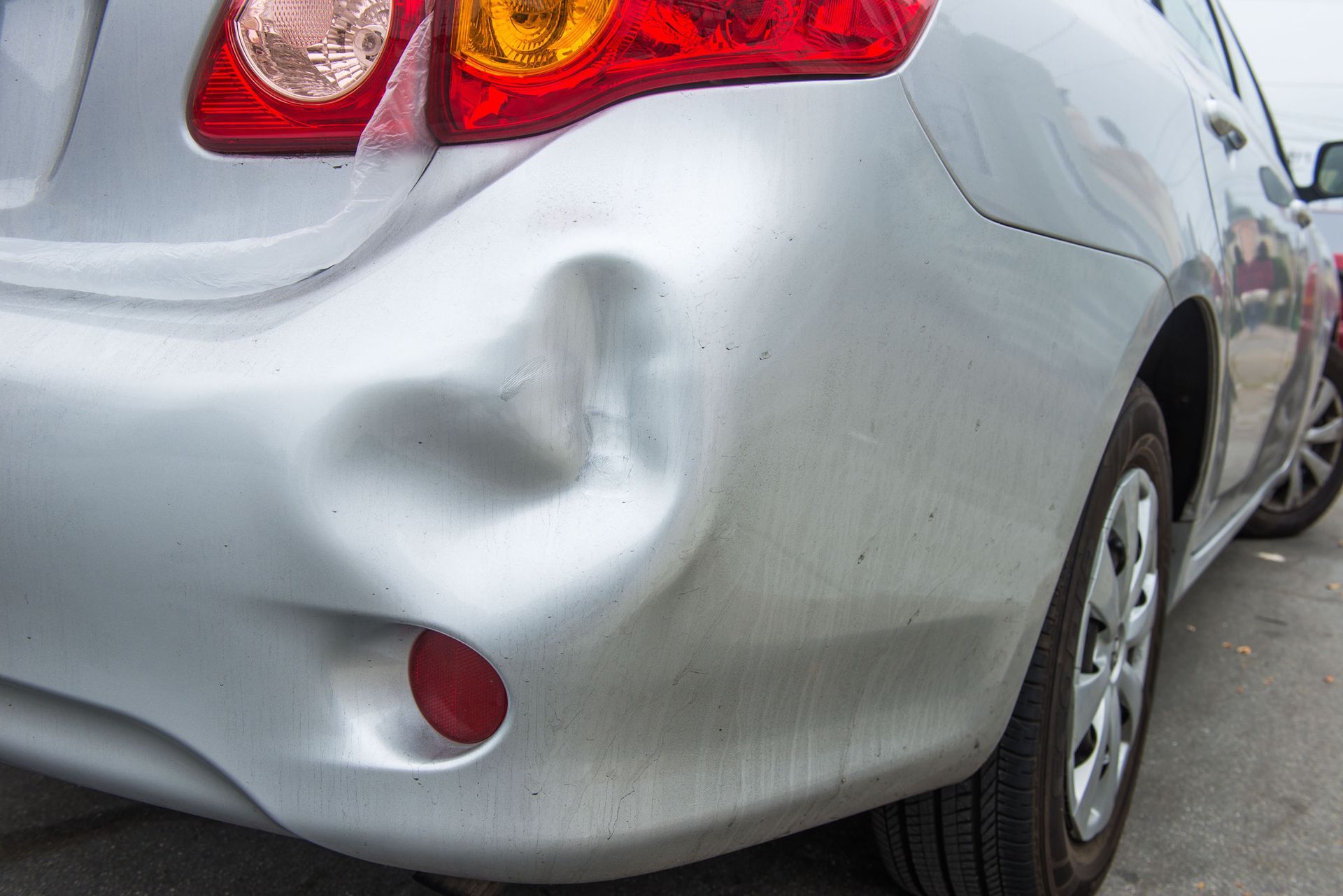
Vehicle damage can affect much more than the structure of a car. Even after dents and damaged panels are repaired, a poor paint match can make previous damage obvious and reduce the vehicle's overall appearance. Professional collision repair facilities use specialized techniques to restore the original finish as closely as possible. Modern paint systems combine advanced technology with experienced craftsmanship to create seamless results. Every vehicle's paint color changes slightly over time due to sunlight, weather, and everyday exposure, making accurate color matching more complex than simply using a factory paint code. Careful preparation and precise application are essential to achieving a consistent finish. Choosing an experienced auto body collision repair garage helps ensure repairs restore both the appearance and value of the vehicle. Understanding how professional paint matching works explains why quality collision repairs require both technical skill and attention to detail.
Identify the Original Paint Formula
The paint matching process at an auto body collision repair garage begins by identifying the vehicle's original factory color. Most manufacturers place a paint code label on the vehicle that provides important information about the original finish. While this code serves as a starting point, it does not always produce an exact match because paint naturally changes over time. Exposure to sunlight, temperature fluctuations, and environmental contaminants can gradually alter the appearance of the finish. Professional technicians use the factory code alongside visual inspections to determine the closest possible match. They also consider the vehicle's age and overall condition before mixing paint. Beginning with accurate paint information helps create more consistent repair results. This careful approach lays the foundation for a successful restoration.
Analyze the Existing Vehicle Finish
No two vehicles age exactly the same way. Even identical models with the same factory paint code may display slight color differences after years of exposure to different climates and driving conditions. An auto body collision repair garage carefully examines the surrounding panels to evaluate fading, gloss levels, and subtle variations in color. This visual assessment helps determine whether adjustments are needed before new paint is applied. In some cases, specialized color analysis tools assist technicians in measuring the existing finish with greater precision. These evaluations reduce the likelihood of noticeable color differences after repairs are completed. Every detail contributes to creating a more natural appearance. Thorough analysis is one of the most important steps in professional paint matching.
Mix Paint With Precision
Creating the correct color requires careful measuring and blending of multiple paint pigments. Professional paint systems contain thousands of formulas that allow technicians to reproduce a wide variety of vehicle colors. Small adjustments are often necessary to account for natural fading or manufacturer variations. Paint is measured precisely using computerized mixing systems that help maintain consistency throughout the process. Even slight differences in pigment amounts can affect the final appearance once the paint dries. Technicians may prepare small test samples before painting the vehicle to verify the color match. Careful mixing helps achieve a finish that closely resembles the surrounding panels. Precision throughout this process contributes significantly to successful repairs.
Use Advanced Color-Matching Technology
Modern collision repair facilities often use advanced technology to improve paint-matching accuracy. Specialized color-matching tools can scan the vehicle's existing finish and identify subtle variations that may not be visible to the naked eye. These readings help technicians adjust the paint formula to better match the surrounding panels. While computerized equipment provides valuable guidance, experienced technicians still rely on their training and visual expertise to achieve the best results. Environmental factors such as lighting and the angle from which the vehicle is viewed are also considered during the matching process. Combining technology with skilled craftsmanship helps produce a finish that blends naturally with the rest of the vehicle. An experienced auto body collision repair garage uses both modern equipment and proven techniques to deliver consistent, high-quality paint repairs. This combination helps restore the vehicle's appearance while minimizing visible signs of previous damage.
Blend New Paint Into Surrounding Panels
Professional collision repair often involves more than simply painting the damaged area. Technicians frequently blend the new paint into adjacent panels to create a smooth transition between old and new finishes. This technique minimizes visible color differences that could otherwise reveal the repair. According to market research, the global automotive collision repair industry reached approximately $185.98 billion in 2020, reflecting the continued demand for professional repair services and advanced restoration techniques. Blending allows the eye to perceive a continuous finish across multiple panels rather than focusing on a single repaired section. Careful application at an auto body collision repair garage helps produce a more natural appearance. Proper blending requires experience, patience, and attention to detail. This process is one reason professional paint matching delivers superior results.
Apply Multiple Paint Layers Carefully
Modern automotive finishes consist of several layers that work together to produce the final appearance. Depending on the color, technicians may apply primer, basecoat, metallic or pearl finishes, and a protective clear coat. Each layer must be applied evenly while maintaining the correct drying times between coats. Variations in thickness or application technique can influence how the finished color appears under different lighting conditions. Proper environmental controls also help ensure consistent paint curing. Experienced technicians carefully monitor each stage of the process to maintain quality. Following established procedures improves both appearance and durability. Layered application helps restore the vehicle's original finish more effectively.
Protect the Finish With Clear Coat
The clear coat serves as the final protective layer in the paint restoration process. Beyond adding gloss, it protects the underlying color from ultraviolet rays, moisture, road debris, and environmental contaminants. Proper application of the clear coat contributes to the durability and longevity of the repaired finish. Technicians carefully control spray patterns and drying conditions to achieve a smooth, uniform appearance. After curing, the surface may be polished to further improve gloss and consistency. High-quality finishing techniques help the repaired area blend naturally with the rest of the vehicle. A properly applied clear coat supports both appearance and long-term protection. This finishing step completes the restoration process.
Inspect the Finished Repair Thoroughly
Quality control plays an essential role before any repaired vehicle is returned to its owner. Technicians inspect the repaired panels under different lighting conditions to verify that the color, texture, and gloss match the surrounding surfaces. Viewing the vehicle indoors and outdoors helps reveal subtle differences that may not be visible under a single lighting source. Any imperfections identified during inspection can often be corrected before the repair is considered complete. Attention to detail during this final review helps maintain high repair standards. Thorough inspections also verify that the repaired finish meets customer expectations. Careful evaluation ensures the completed work reflects professional craftsmanship. Final quality checks provide confidence in the finished repair.
Preserve the Appearance After Repairs
Proper care following collision repairs helps maintain the appearance of the newly restored finish. Vehicle owners should follow recommendations regarding washing, waxing, and protecting the repaired surfaces while the paint fully cures. Gentle cleaning methods help preserve the finish during the initial weeks after repairs are completed. Parking in shaded areas when possible may also reduce unnecessary exposure to intense sunlight. Routine maintenance keeps the paint looking its best while protecting the investment made in professional repairs. Following recommended care practices helps maximize the longevity of the restored finish. Consistent maintenance supports lasting appearance and value. Caring for the repaired paint allows the restoration to continue looking its best for years to come.
Accurate paint matching is an important part of restoring a vehicle after a collision. Javiers Auto Body combines professional repair techniques with careful attention to detail to help restore vehicles to a clean, consistent appearance. If your vehicle has been damaged and requires professional collision repair, contact us today to learn more about our auto body collision repair garage and how our experienced team can help return your vehicle to the road with confidence.