The Benefits of Professional Auto Detailing After Auto Collision Repair
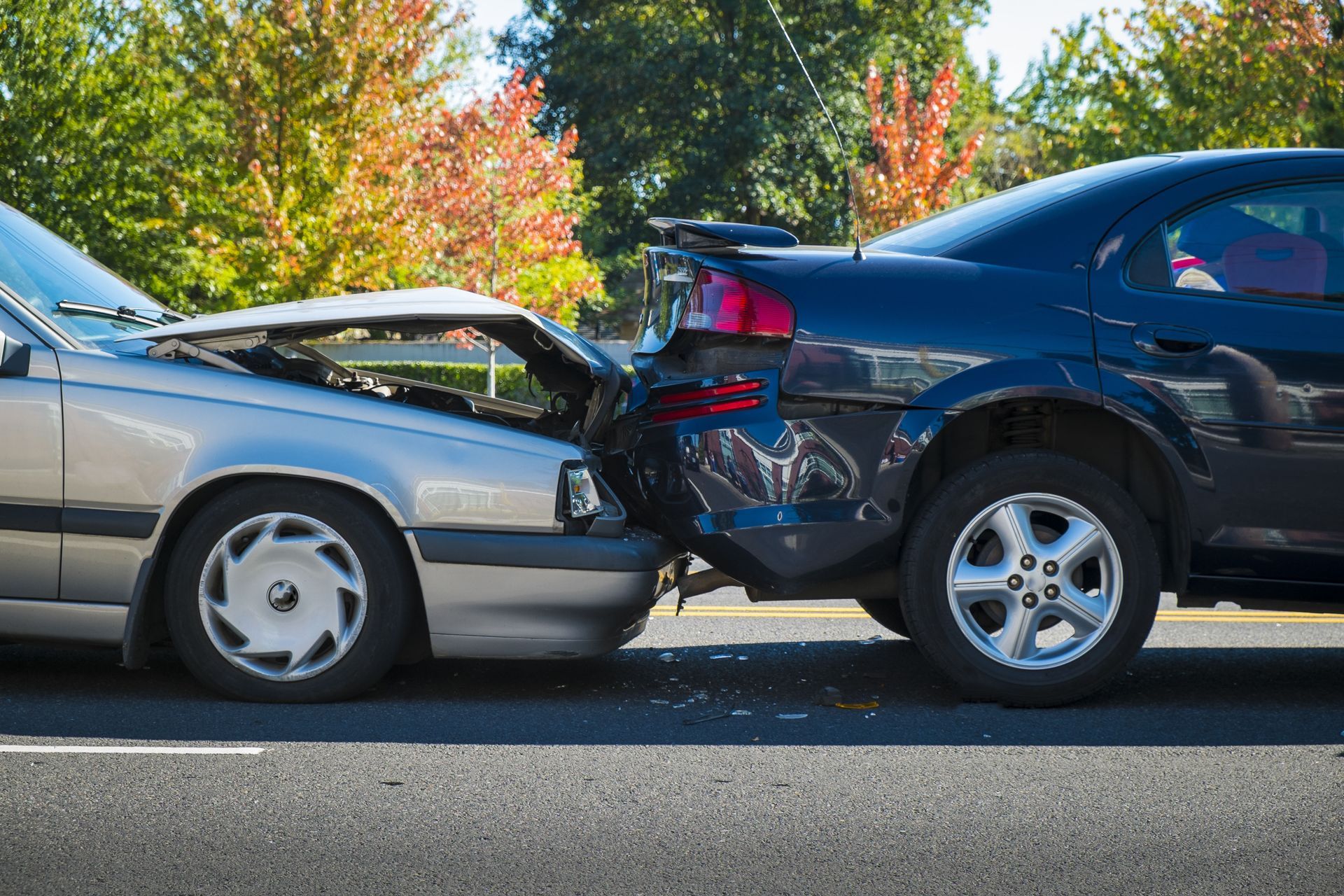
Auto collisions often leave vehicles in a compromised state, both aesthetically and functionally. While repair work addresses structural and mechanical damages, detailing ensures the vehicle's appearance and surface integrity is also restored to its former glory. There is a common misconception that detailing is merely about aesthetic enhancement, but it plays an essential role in safeguarding the vehicle over time. Addressing these misconceptions, this article explores the multifaceted benefits of auto detailing post-collision repair. Read on to learn about auto collision repair.
Restoring Aesthetic Appeal
Exterior Finish Reinforcement
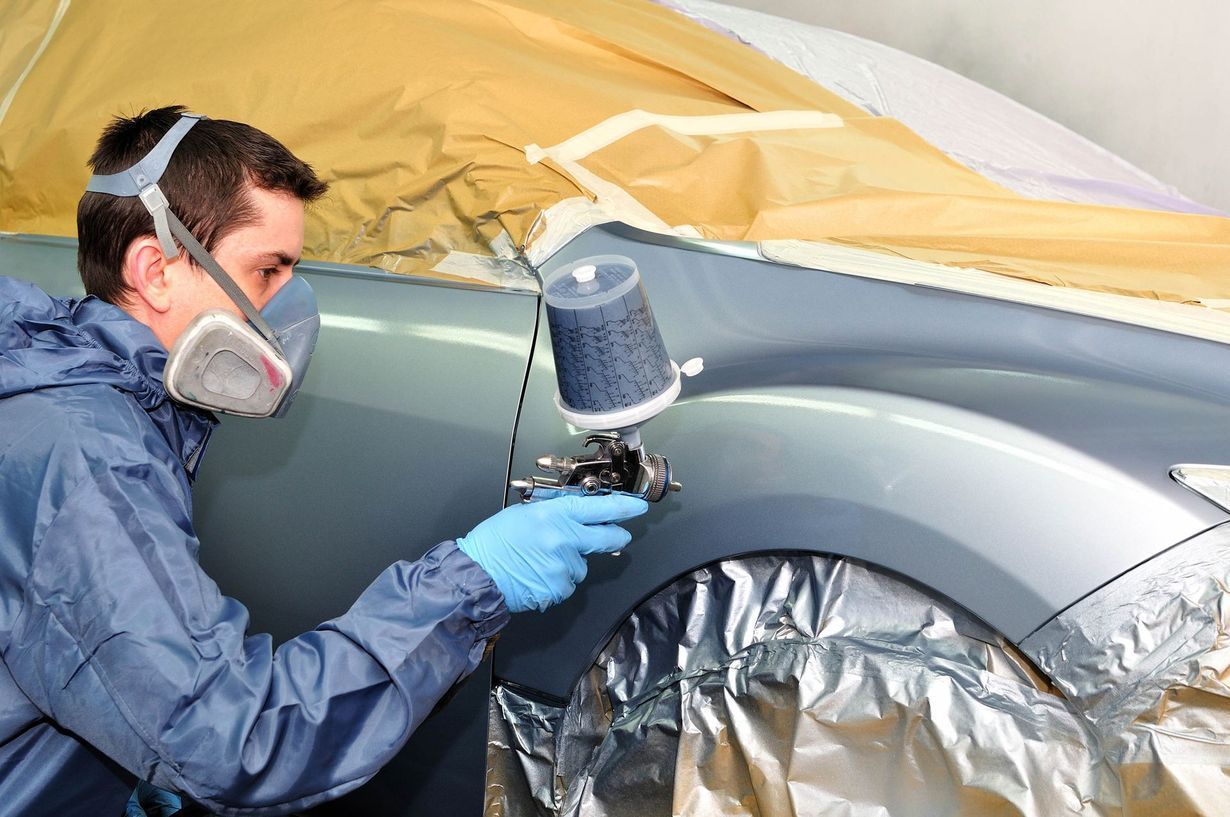
After collision repair, exterior finish reinforcement through professional detailing enhances the car's visual appeal. The detailed cleaning process ensures that any residual compounds from the repair do not remain on the vehicle's surface. Special care is given to polishing the exterior, which not only revives the paint's luster but also reinforces its resistance to environmental factors. By applying high-quality wax or sealants, detailing provides a protective barrier, making the finish last longer. According to Panda Hub, a standard detailing job usually takes two to four hours, while more complex services such as paint correction take longer. As a result, the vehicle regains its showroom shine, providing satisfaction to the owner and reflecting quality repairs.
Paint Correction and Protection
Paint correction is a critical element of auto detailing that corrects imperfections such as swirl marks, scratches, and oxidation. Complex detailing services like paint correction require significant time investment, often beyond the standard 2 to 4 hours, yet the results are transformative. The meticulous process involves machine polishing to remove a fine layer of clear coat, revealing a flawless surface beneath. Once corrected, additional protection is applied to safeguard the newly restored paint against future damage. This protection not only extends the life of the paint but also maintains the vehicle's aesthetic and financial value.
Scratch and Dent Removal
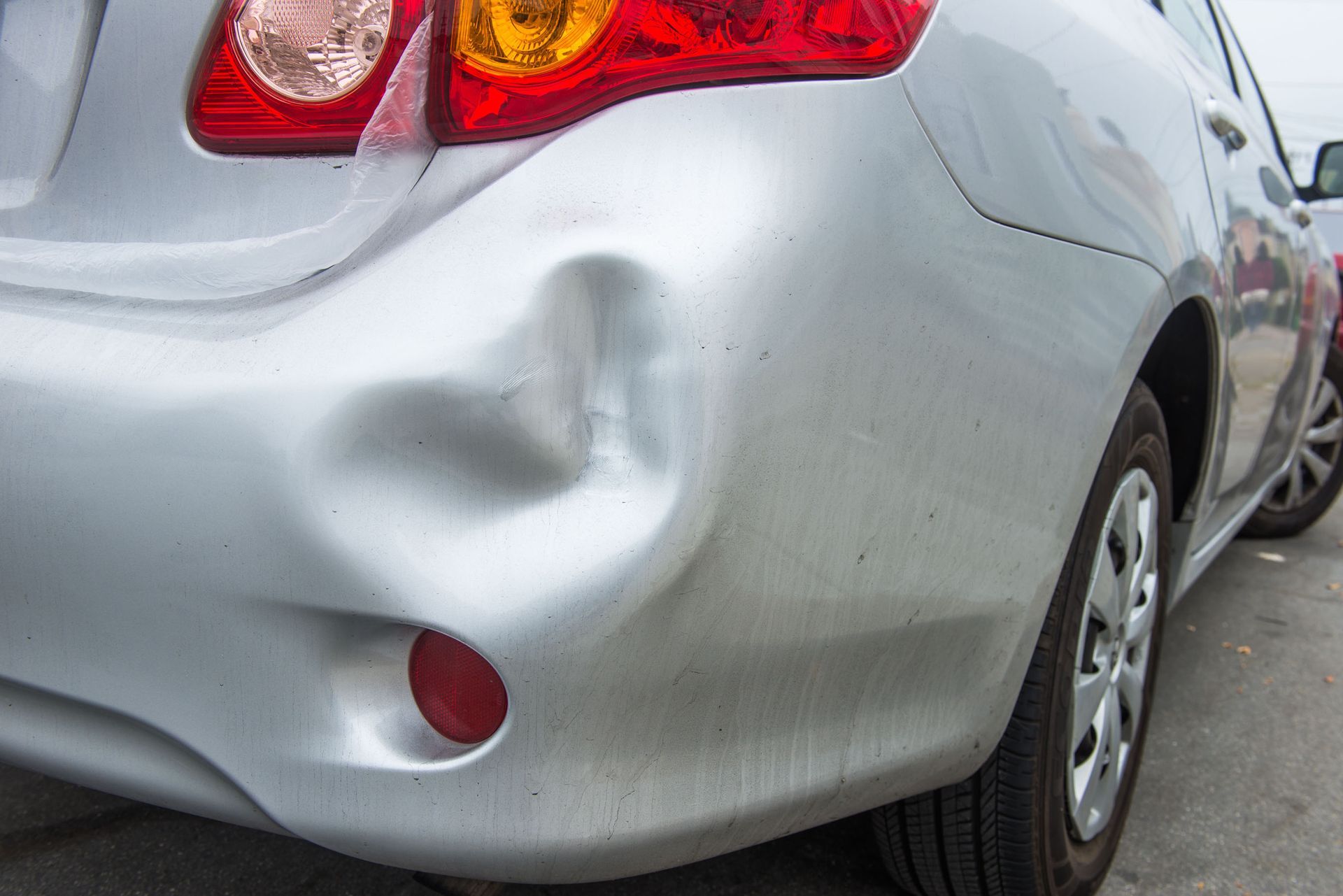
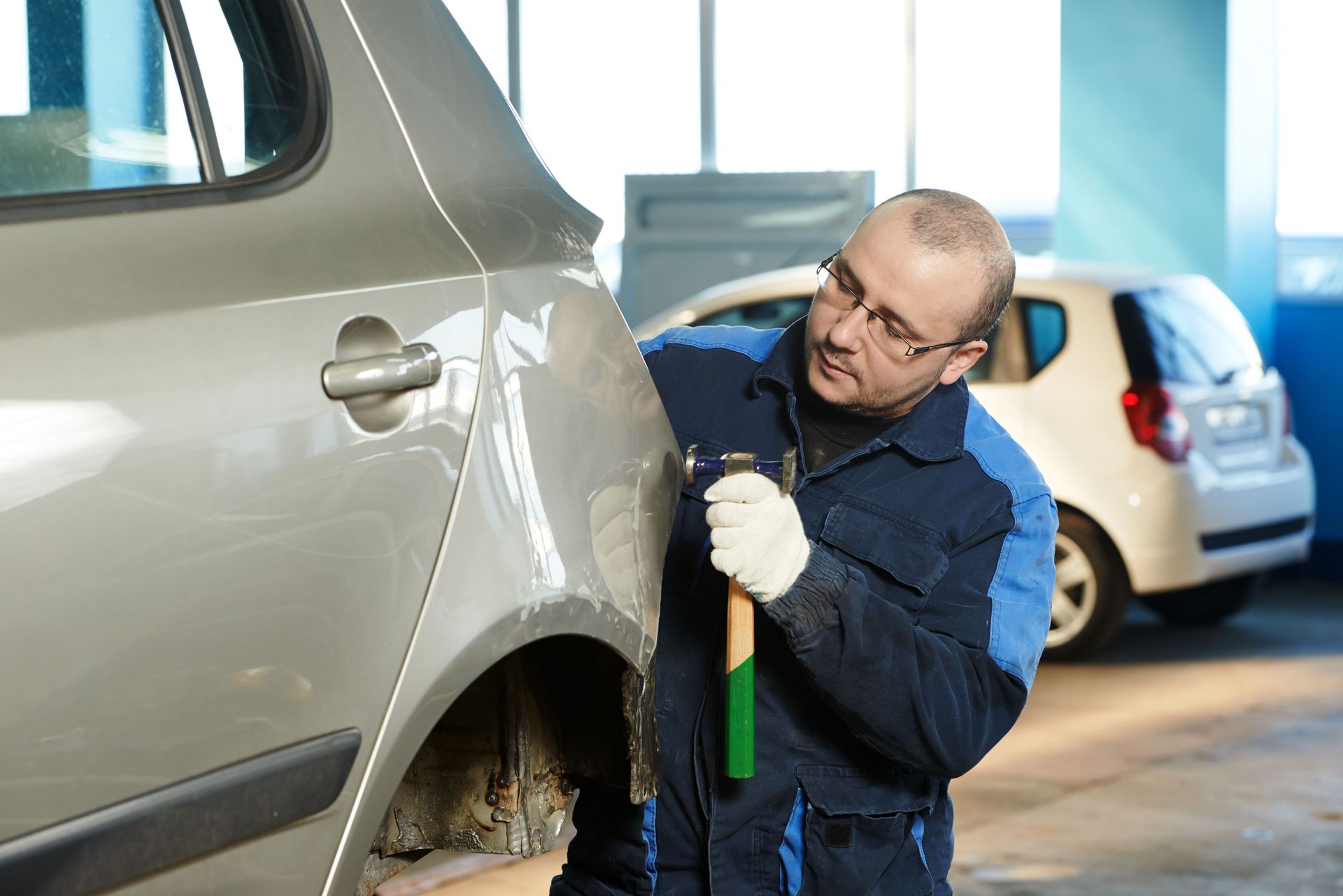
Scratch and dent removal is an integral aspect of detailing that addresses cosmetic damage not covered during initial repair work. Detailing professionals can deftly handle minor dings and surface scratches, using specialized tools and techniques. This meticulous attention prevents these minor imperfections from evolving into larger issues, possibly leading to rust or further paint deterioration. As such, it is both a cosmetic and preventative procedure, essential for maintaining the car's exterior surfaces. Combined with other detailing services, scratch and dent removal supports the restoration of a pristine finish post-repair.
Debris and Contaminant Removal
During auto collisions and subsequent repairs, vehicles often encounter a blend of debris and contaminants that may linger on surfaces. The detailing process involves deep cleaning, targeting these residues that standard cleaning might miss. The removal of tar, grime, and other particles not only enhances the car's aesthetic appeal but also prevents potential damage to the clear coat and underlying paint. By maintaining a smooth surface free of contaminants, detailing ensures the vehicle looks and performs well. Professionals utilize specific products to safely and effectively cleanse surfaces, preserving the cosmetic allure of the vehicle.
Protecting Against Future Damage
Sealants and Wax Application
Applying sealants and waxes during detailing provides essential protection against environmental factors. These coatings act as barriers, shielding the paint from harmful UV rays, acid rain, and other pollutants. The reflective layer enhances the car's gloss while minimizing exposure to detrimental elements. Post-collision detailing emphasizes this protective measure, which not only keeps the vehicle looking new but also enhances its resilience. With regular applications as part of maintenance, such protective layers offer lasting benefits against surface degradation.
Undercoating Protection
Undercoating is an often-overlooked aspect of detailing that provides significant protection, especially after damage from a collision. The underside of a vehicle is susceptible to rust and corrosion once protective coatings are compromised. Detailing services apply protective substances to critical undercarriage components, offering a barrier against moisture and road salt. This protection is vital for extending the lifespan of the vehicle's undercarriage and preserving its structural integrity. Through such preventative measures, owners can safeguard their investments in the long term.
Interior Surface Sealants
Professional auto detailing extends beyond the exterior, offering protection to the vehicle's interior surfaces. The application of special sealants on fabrics, leathers, and other materials minimizes wear from daily use. These products protect against spills, stains, and fading caused by sunlight, preserving the interior's fresh appearance over time. By preventing interior damage, detailing ensures that the car's cabin remains comfortable and inviting. These protective steps are crucial, especially in vehicles that have undergone collision repairs where interior elements might have been stressed.
UV Protection for Interiors
Keeping the vehicle's interior free from UV damage is a focus of professional detailing, enhancing both function and aesthetic appeal. Specialized treatments like UV protective films or conditioners prevent fading, cracking, and deterioration of dashboards, seats, and plastics. These protective measures are particularly beneficial following repairs, ensuring that interior renovations maintain their quality over the vehicle's lifespan. By maintaining the car's interior condition, detailing boosts resale value and continually provides a comfortable driving environment. Such protections are a small investment towards retaining the vehicle's showroom appeal.
Rust Prevention Strategies
Rust prevention is a critical component of auto detailing, especially following collision repairs where paint and bodywork may have been compromised. Detailing professionals offer expert solutions such as applying rust inhibitors to vulnerable areas. The attention to detail ensures no surface is left untreated, providing comprehensive protection against rust formation. Preventative treatments safeguard structural components, enhancing the vehicle's longevity and safety. By addressing these vulnerabilities through detailing, vehicle owners can avoid costly rust remediation in the future.
Enhancing Vehicle Longevity
Preservation of Vehicle Components
Professional detailing contributes significantly to the preservation of vehicle components post-collision repair. By ensuring comprehensive cleaning and protection, it mitigates risks such as corrosion and wear. Maintenance of exterior and interior surfaces prevents degradation and extends component lifespans. Additionally, detailing services often include the inspection and treatment of vulnerable parts, ensuring reliability over years of use. This comprehensive preservation is crucial for the long-term enjoyment and functionality of any vehicle.
Engine Bay Cleaning and Maintenance
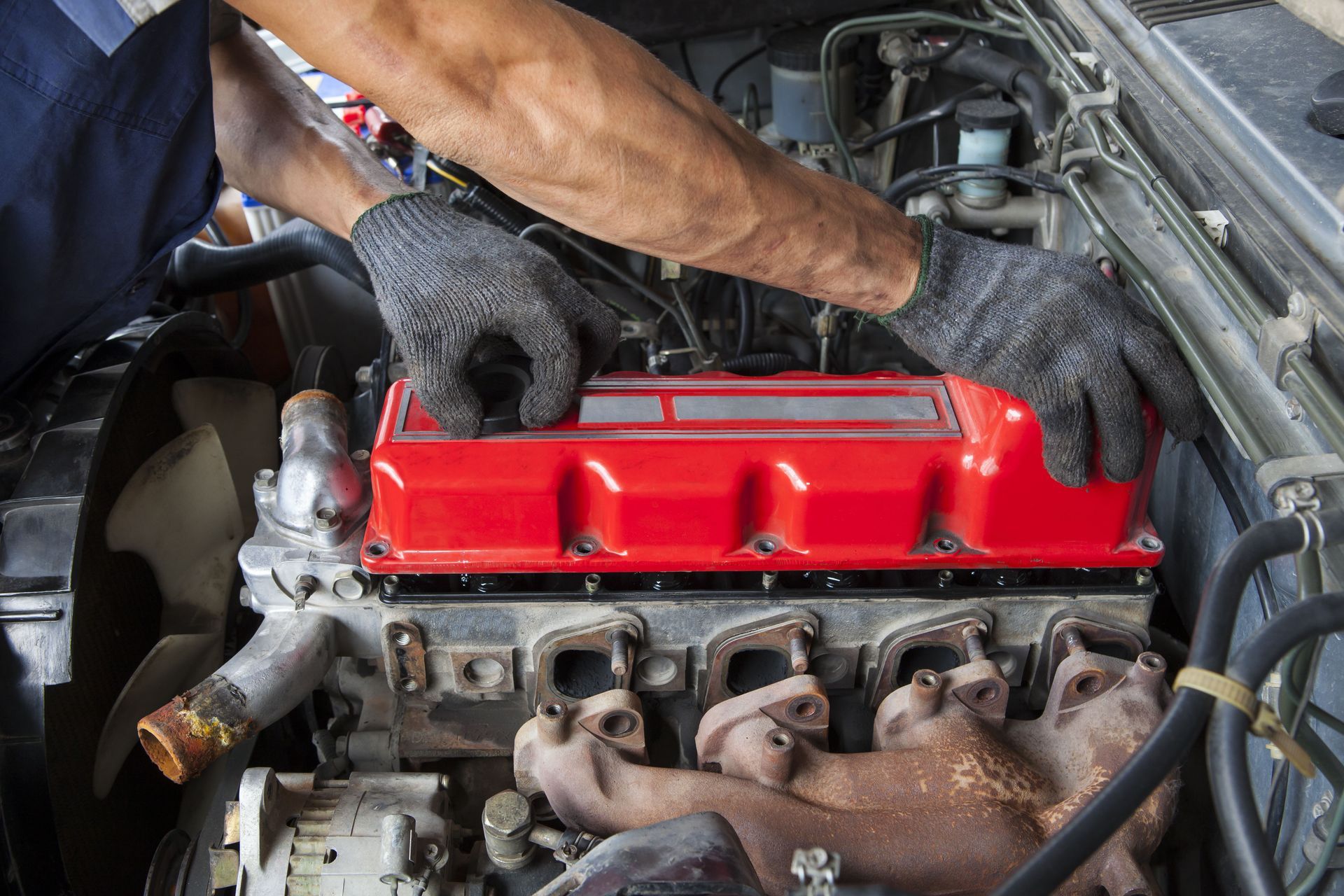
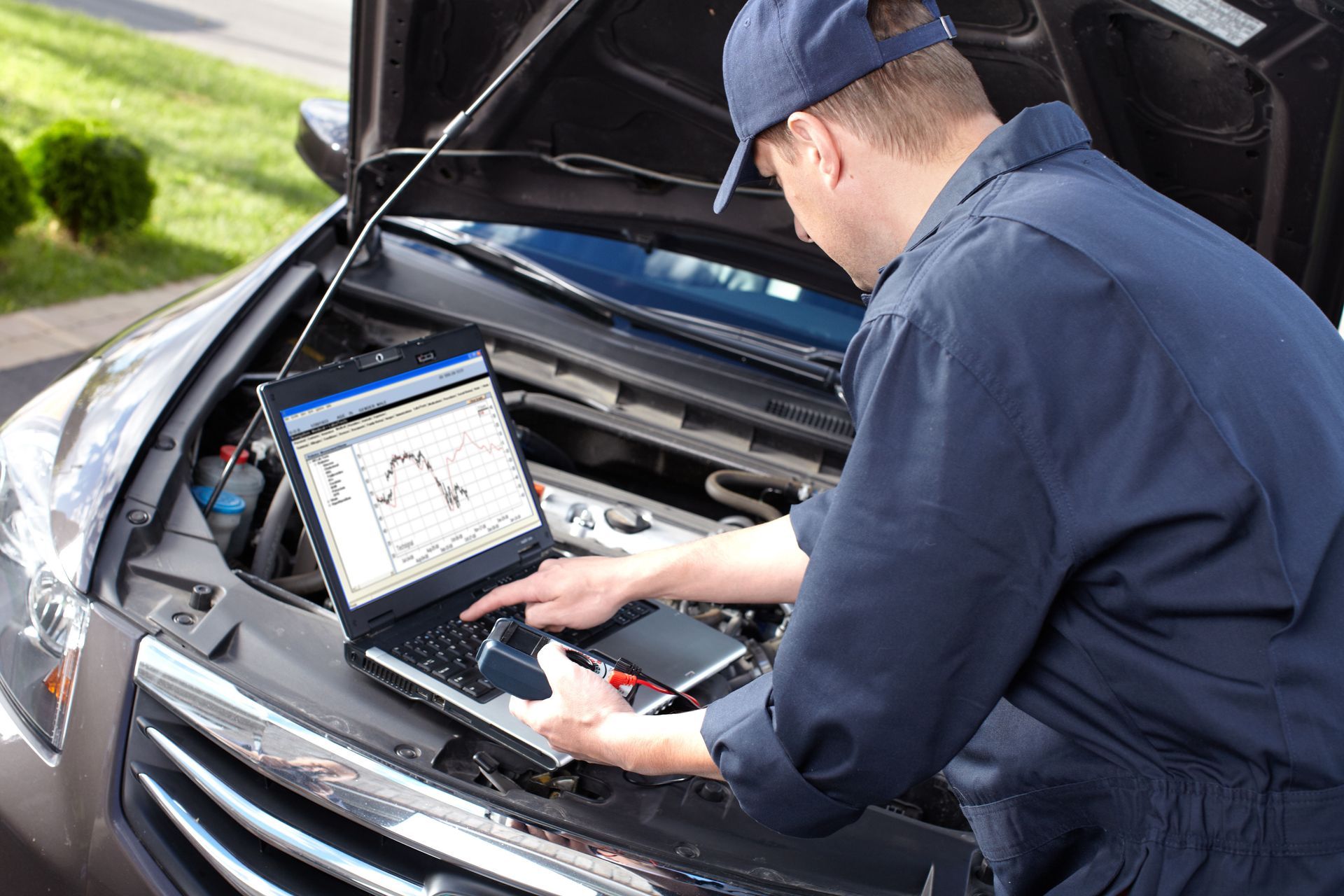
Engine bay cleaning is an essential, though frequently neglected, part of auto detailing. Removing dust, grease, and debris from this realm ensures optimal engine function and the early detection of potential issues. Clean engine components support performance and efficiency, and they invite closer inspection, revealing leaks or wear that may require attention. Following a collision, such cleaning furthers the assessment of repair quality, bringing peace of mind to vehicle owners. Detailing professionals provide expertise to safely clean and maintain complex, sensitive engine components.
Reduction of Wear and Tear
Detailing significantly reduces wear and tear by taking preventive measures to protect all vehicle surfaces. By applying protective treatments, detailing minimizes friction and environmental stressors in various vehicle parts. The immediate effects are noticeable, such as enhanced functioning and reduced noise, while the long-term effects include prolonged vehicle lifespan. After collision repairs, such proactive protection supports both aesthetic and functional restoration. Detailing serves as the final polish for maintaining a vehicle's integrity and performance over time.
Fluid Leak Prevention and Detection
Regular detailing helps prevent fluid leaks by maintaining the cleanliness and condition of seals and gaskets. Meticulous cleaning allows for the detection of potential problem areas, such as worn hoses or corroded connectors, which ensures timely interventions before fluid leaks can cause further damage. Detailing post-repair provides added assurance that all components are remained intact, supporting ongoing vehicle function. By identifying and attending to leaks proactively, detailing aids in maintaining the mechanical health of the vehicle. This preventive care is essential to minimize repair costs and optimize performance.
Professional detailing services offer extensive solutions, tailored expertise, and dedicated care, ensuring vehicles recover their original condition. By enhancing visual appeal and ensuring comprehensive protection, detailing fulfills a key role in a vehicle's maintenance and preservation journey. From safeguarding against potential future damage to maximizing resale value, detailing wraps up the repair process by producing an immaculate and fortified end result. The importance of detailing proves its value as a crucial final step in the
auto collision repair journey, providing peace of mind and amplifying satisfaction for vehicle owners.